

The Fedora Hat Brands quietly shaping Modern Fashion Editorials
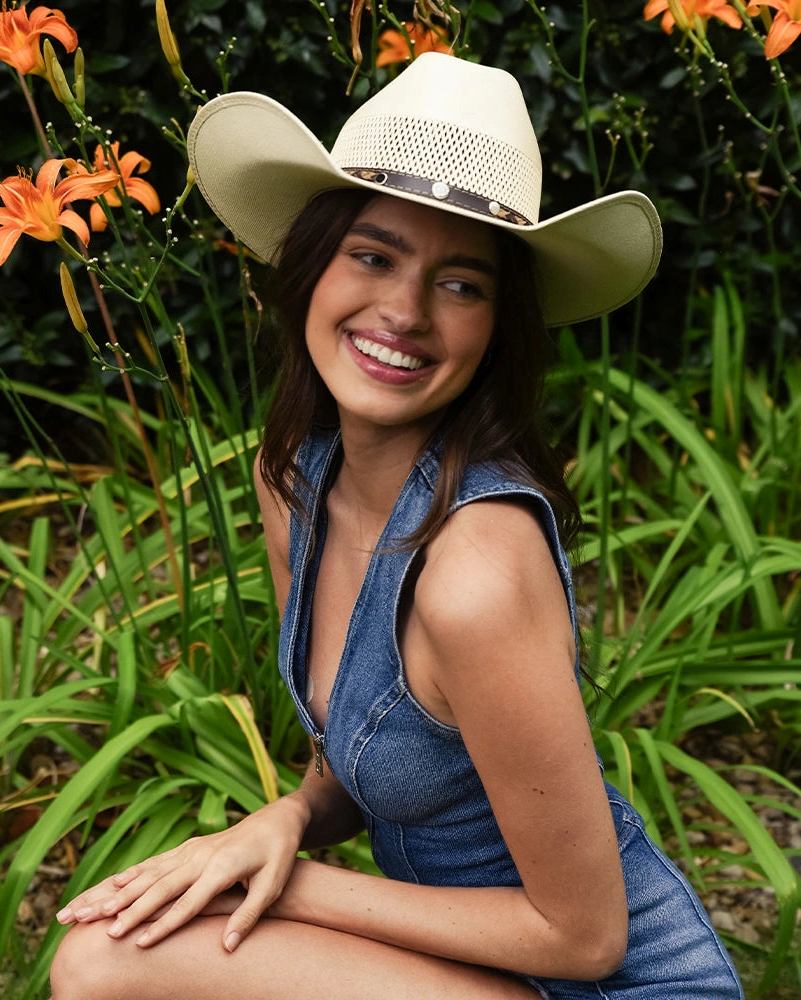
The fedora has re-established itself as a key accessory in modern fashion imagery. Defined by its indented crown and structured brim, the silhouette remains recognizable, but its role has evolved. Once tied to formalwear, it is now used to add structure, contrast, and identity to contemporary looks.
In recent editorials, stylists favor pieces that shape an outfit without dominating it, and the fedora fits this role well. Wider brims, softer materials, and more adaptable proportions allow it to move across minimalist fashion, resort wear, and street style. The brands driving this shift are not the loudest, but those refining the silhouette in subtle, effective ways.
1. American Hat Makers
The shift toward more modern, wearable fedora styling is reflected in collections from American Hat Makers, where traditional shapes are refined through structure, material quality, and everyday usability. Rather than leaning into purely vintage aesthetics, the brand focuses on creating fedoras that feel relevant in current wardrobes.
A defining characteristic is the use of structured materials such as wool felt, leather, and reinforced straw. These materials help the hats maintain their shape, which is essential in editorial styling where silhouette matters. A well-defined crown and balanced brim create a strong visual frame, allowing the hat to function as a central element rather than a secondary accessory.
Versatility is also central to the approach. These fedoras are not limited to a single context, they transition easily between relaxed outfits, travel looks, and more polished ensembles. This adaptability is key in modern fashion storytelling, where pieces must work across different aesthetics.
Comfort and wearability complete the design. Breathable construction and balanced proportions ensure the hats remain practical for extended use, reinforcing their role as pieces meant to be worn, not just styled.
2. Brixton
Brixton vintage inspiration with a modern sensibility, creating fedoras that feel both familiar and current. The brand works with a range of materials, from wool felt to straw, allowing its designs to transition across seasons. Its strength lies in adaptability. Brixton fedoras can be styled casually or elevated depending on the context, making them a reliable choice for editorial work that requires flexibility.
3. Gigi Pip
Gigi Pip offers a softer, more approachable take on the fedora. Its designs often feature simplified shapes and updated color palettes, making them easier to integrate into everyday styling. This accessibility has contributed to the brand’s growing presence in lifestyle-focused editorials, where the emphasis is on wearable fashion rather than high-concept styling.
4. Janessa Leone
Janessa Leone is known for its minimalist approach to fedora design, emphasizing clean lines, neutral tones, and precise proportions. These hats enhance an outfit rather than dominate it, which makes them a frequent choice in editorials that value subtle, refined styling.
5. Lack of Color
Lack of Color takes a more fashion-forward approach, often using wider brims and stronger silhouettes. This transforms the fedora into a statement piece, making it especially popular in travel and resort editorials where bold accessories help define the look.
How Fedoras Became an Editorial Staple
The fedora’s resurgence reflects a broader move toward structured accessories that shape an outfit without overpowering it. Its consistent silhouette adapts easily through changes in proportion, material, and styling. Wider brims and softer constructions have made it more versatile, while materials like straw and felt allow year-round use. Rather than reinventing the design, modern brands refine it, subtly adjusting form and function to keep it relevant in contemporary fashion.
Follow Fashion Model Directory on Linked In, Facebook, Twitter, and Pinterest, !