

Dressing for a British Winter Without Looking Like You’re Hiding From It
The British winter cold is rarely just about the temperature. Damp air, grey skies, and sudden rain can make eight degrees feel much colder, especially while waiting for a bus or walking between trains. Dressing well during these months requires moving past bulky, unflattering bundles and embracing modern menswear dressing trends that favor fluid proportions, tonal layering, and effortless utility. Ultimately, navigating the season in style is less about owning heavy clothing and more about choosing the right layers.
Start With the Right Layers
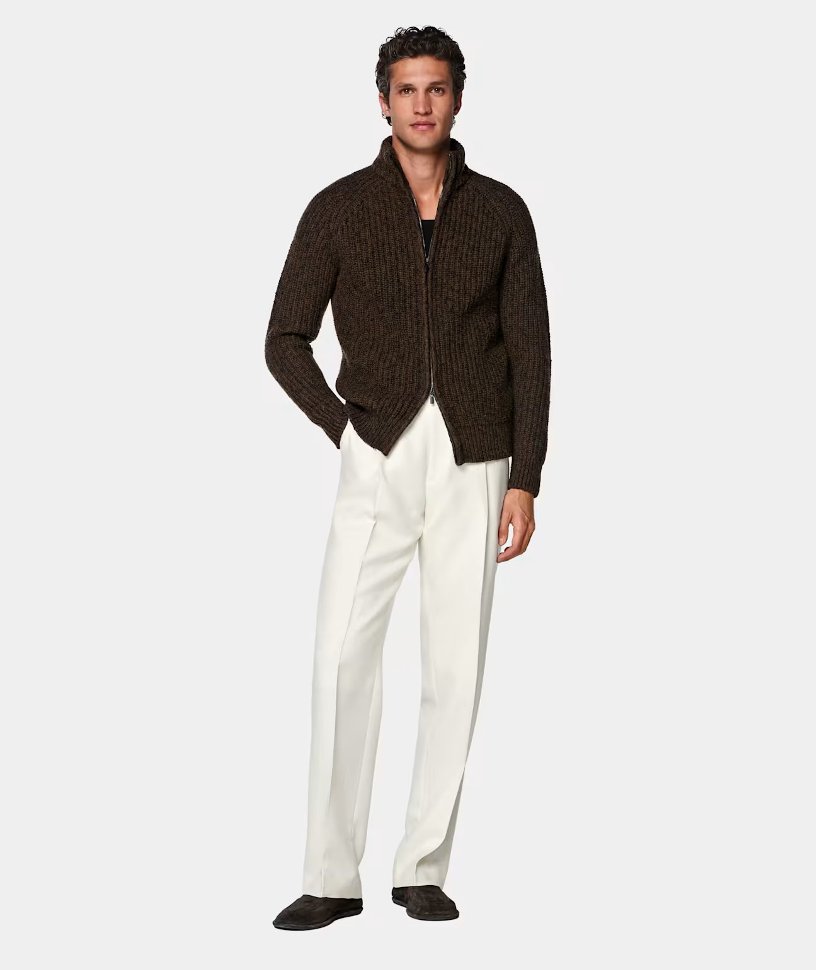
The layer closest to the body has a major effect on comfort. A well-chosen range of Men’s jumpers can do more for a winter wardrobe than several bulky garments. Wool retains warmth without excessive weight and breathes well, helping prevent overheating when moving from a cold platform into a heated train carriage.
The outer layer must protect against wind and rain. A good overcoat selection is worth careful consideration because it may be worn almost every day for several months. Wool holds its shape better than many padded alternatives, while a coat with enough room through the chest can accommodate a shirt and jumper without pulling at the buttons.
Always try these pieces on together before buying. A coat that fits perfectly over a T- shirt may feel restrictive once winter layers are added.
Choose Practical Fabrics and Colours
Jumper weight matters more than many shoppers realise. Fine merino works well for early autumn or warm offices, while denser lambswool or Shetland knitwear is better for the colder months. Owning one of each provides more flexibility than buying several jumpers of identical weight.
Coat fabric deserves equal attention. Heavier wool, generally around eighteen ounces or more, blocks wind effectively, holds a cleaner shape and resists creasing better than lightweight cloth. Construction is also important: strong shoulders, well-finished lapels and reinforced stress points help a coat retain its structure through repeated wear. Once fabric and construction are considered, colour is straightforward. Navy and charcoal pair easily with grey trousers, dark denim and most existing wardrobes. Camel and sand can look excellent but require more thought when choosing the layers underneath.
Maintain Wool During Wet Weather
British winters expose wool to repeated changes between damp outdoor air and heated interiors. Never dry wet knitwear directly on a radiator. Instead, lay a jumper flat at room temperature and hang a damp coat on a shaped wooden hanger away from direct heat.
Jumpers worn against the skin need more frequent washing than coats, but wool still requires less cleaning than cotton. Hand wash knitwear in cool water with wool detergent, then dry it flat. Coats usually need professional cleaning only once or twice per season, with minor marks handled through spot cleaning.
Store coats on sturdy wooden or shaped hangers, and fold jumpers rather than hanging them. Finally, rotate garments whenever possible. Giving wool time to recover between wears helps preserve its shape and keeps it looking sharp until spring.
Follow Fashion Model Directory on Linked In, Facebook, Twitter, and Pinterest, !