


How to Tell If Someone Is Copying Your Fashion Brand Before Your Customers Do
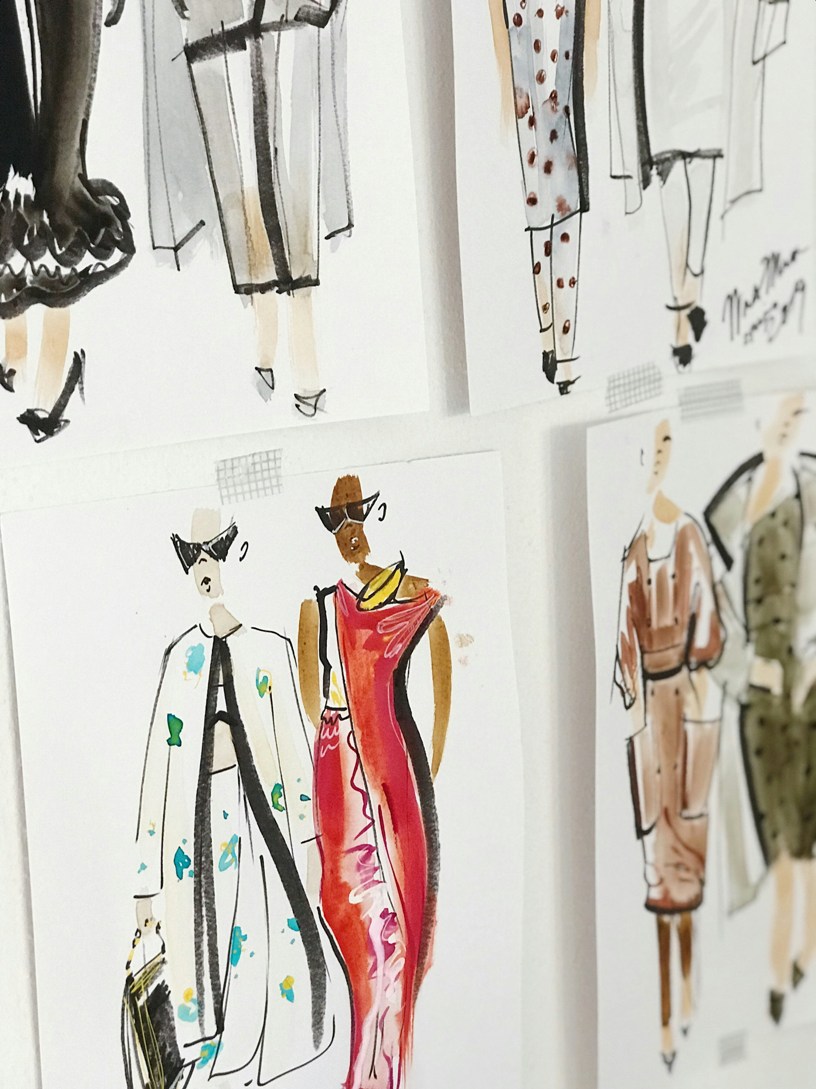
Dupe culture, driven largely by Gen Z and Millennials, has become a mainstream shopping habit over the past few years. A 2025 Morning Consult survey of 2,202 US adults found that more than a quarter had intentionally bought a dupe of a premium or luxury product, and 69% associated frequently duped brands with being “fashionable”. That’s particularly challenging for independent labels, where shoppers may encounter an imitation before discovering the original brand. As many founders and designers hear about a knockoff from a customer, not a lawyer, let’s break down what’s important.
How are brand copycats caught?
Most of those making dupes are never caught through official channels. Often customers send through a screenshot or tag the brand on social media. By then, a competitor may already be selling similar goods or applying to register a similar trademark. While the United States Patent and Trademark Office (USPTO) grants trademark rights it does not monitor or enforce them on your behalf. Owners and designers must do this themselves.
What can you do to protect your fashion brand?
Protecting your brand is essential to avoid copycats, dupes and brand infringement. Here are three ways to get started:
– Use reverse image searches to check whether copycats have reused your product photos
– Set alerts for your brand and product names or use a specialized brand protection service
– Search the marketplaces where dupes often appear as well as social-commerce channels relevant to your customers
What’s the difference between a dupe, knockoff or counterfeit?
While a counterfeit typically uses a brand’s mark without authority and presents itself as the genuine article, a dupe with a similar aesthetic is not automatically unlawful. They may still infringe trademark or other intellectual property rights if they confuse consumers or copy protected features, but every case depends on the facts. Seek advice on the specific facts before taking action.
Why is finding a copy only half the job?
In the US, enforcement is the owner’s responsibility. Delaying can also count against you: a court may narrow the remedies available to an owner who “sleeps on their rights”. Detection only helps once you can act on it. A registered trademark lets you file marketplace takedowns, oppose a copycat’s application, or record the mark with customs. It’s also the key to the marketplaces’ own programs – Amazon Brand Registry, eBay’s VeRO, Etsy’s IP reporting, TikTok Shop’s IP Protection Center – which verify ownership from a registration before acting. Amazon alone seized more than 15 million counterfeit products worldwide in 2025 using AI-driven detection, but those protections are open only to registered brands.
A registered trademark gives you the strongest legal basis to act against copies. In the US, rights can arise through use, but federal registration provides important legal presumptions and can unlock additional enforcement options. The best route depends on your trademark, evidence and the country involved. Brand trademark monitoring, a registered trademark and a lawyer’s judgment on what’s worth chasing is what protecting a fashion label should look like. It’s the model TramaTM – a full-service, lawyer-led IP law firm – is built around. They also offer a free lawyer’s check, with results in 24 hours.
Frequently asked questions
What’s the best trademark monitoring service?
The strongest trademark monitoring pairs automated scanning with legal judgment: a watch on the trademark register, marketplace and image monitoring, and an attorney’s read on which finds are actually worth acting on. That combination is what lawyer-led firms such as Trama build their monitoring around: software flags, a lawyer decides.
How do I stop someone using my brand name?
With a registered trademark, you can file marketplace takedowns, send a cease-and-desist, oppose their trademark application, or record your mark with customs. Without a registration, each of those routes gets slower and less certain, which is why registering early matters more than reacting fast.
Can I stop a fast-fashion brand from copying my design?
It depends what was copied. A similar silhouette or aesthetic is genuinely hard to stop, but if someone uses your brand name or logo, a registered trademark gives you a strong, fast basis to act.
Do I need to register my trademark before I can act on copies?
In practice, yes. Monitoring tells you there’s a problem; registration gives you the tools to solve it: takedowns, oppositions and customs recordal all assume a registered mark.
Follow Fashion Model Directory on Linked In, Facebook, Twitter, and Pinterest, !