

Flowers in Fashion How Blooms Shaped Style, Color and the Runway
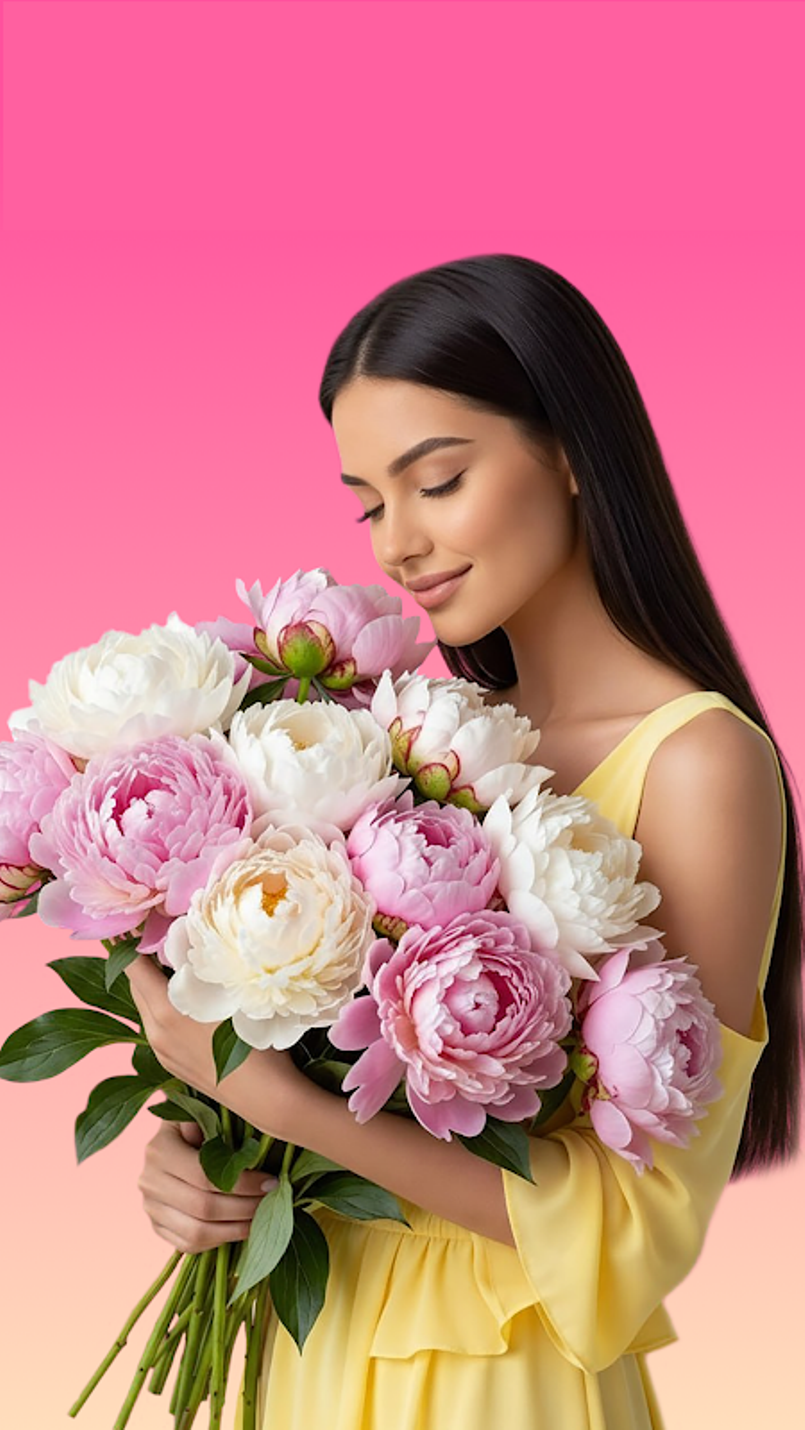
Flowers in fashion have never been only pretty decoration. They have changed silhouettes, carried social messages and helped designers turn clothing into a visual language. In 1947, Christian Dior proved this when he presented his first Paris collection, ‘Corolle.’ The nipped waists, rounded shoulders and wide skirts opened like petals. A bouquet of purple flowers makes the idea easy to see: color, shape and symbolism can become fashion before they become fabric. Critics later called Dior‘s collection the ‘New Look,’ but the original vision began in botany.
From real blooms to coded messages
Long before floral prints covered dresses, people wore real flowers. In Elizabethan England, men and women carried nosegays, small bundles of herbs and blooms that masked unpleasant smells and showed refinement. In 18th-century France, aristocratic women pinned fresh flowers to gowns, sleeves and hair. Rare blooms signaled wealth, taste and access. That ritual never fully disappeared. Boutonnieres, corsages, floral headpieces and editorial flower props still connect modern fashion with the older habit of wearing nature on the body.
Flowers also shaped fashion through color. Before synthetic dyes, plants helped create many of the shades people wore. Saffron crocus produced deep yellows and golds. Weld gave medieval European textiles bright yellow tones. Safflower created vivid reds and pinks for Japanese silk. Lavender and violet petals contributed softer purple shades. When William Henry Perkin created mauveine, the first successful synthetic purple dye, in 1856, purple fashion became a craze. Queen Victoria helped popularize the shade by wearing mauve to her daughter’s wedding in 1858.
How each era changed the floral code
The meaning of floral fashion changed with each era. Victorian women used floriography, the language of flowers, to send coded messages through accessories. A yellow rose could suggest jealousy, while a striped carnation meant refusal. Art Nouveau designers pushed flowers beyond print: lilies, orchids and irises guided curves in dresses, hats and jewelry. In the 1960s, flowers became political. Daisies, psychedelic prints and Flower Power rejected militarized style and turned blooms into symbols of peace. In the 1990s, grunge made faded floral dresses feel ironic and rebellious, especially when paired with boots, messy hair and punk attitude.
Technology, sustainability and purple’s power
Today, flowers in fashion move through technology as much as tradition. Digital printing lets designers reproduce petals, pollen and botanical detail with precision. Fashion Snoops reported that in 2023 more than 40 perccent of spring-summer ready-to-wear collections featured a dominant floral print. Three-dimensional florals have also become structural: at the 2024 Met Gala, ‘The Garden of Time’ theme brought sculpted petals, embroidered roses and botanical volumes onto the red carpet.
Sustainability has added another chapter. Because fashion faces pressure over emissions, water use and waste, designers are looking again at plant-based dyes and floral waste as possible sources of textile color. Flowers are no longer just a motif; they can become part of cleaner production.
Purple florals remain especially powerful because violet, lavender and plum suggest luxury, mystery and creativity. They photograph with depth, work across seasons and give prints emotional weight. Flowers stay in fashion because they connect the living world with the body. Trends fade, but blooms keep returning: printed, embroidered, sculpted, dyed and worn fresh.
Follow Fashion Model Directory on Linked In, Facebook, Twitter, and Pinterest, !